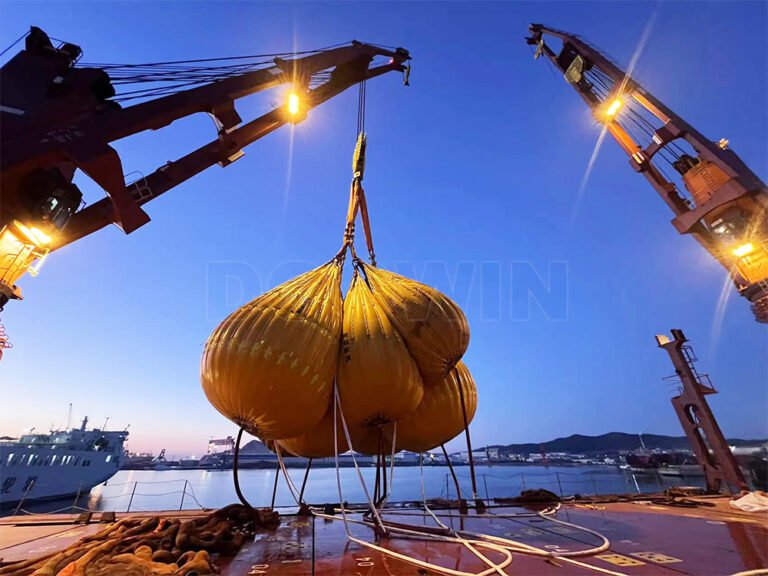
Ensuring Safety and Compliance: Workshop Overhead Crane Proof Load Testing with Water Weight Bags
Introduction
Regular proof load testing is a critical safety and compliance procedure for any workshop relying on overhead cranes. This essential test verifies the structural integrity and functional performance of a crane by subjecting it to a load that exceeds its rated capacity. While traditional methods like using solid weights or concrete blocks are common, the adoption of Water Weight Bags has emerged as a superior, safer, and more efficient solution for conducting these tests.
What is Proof Load Testing?
Proof load testing is a non-destructive test designed to ensure an overhead crane can safely handle its designated workload. Typically, the test involves lifting a load equal to 125% of the crane’s rated capacity and performing a series of operational checks. The primary goals are to:
- Confirm the crane’s structural soundness.
- Validate the performance of brakes, hoists, and controls.
- Ensure compliance with industry safety standards (such as OSHA, ASME B30.2).
- Identify any potential issues before they lead to equipment failure or accidents.

The Challenge with Traditional Testing Methods
Conventional testing often involves using calibrated steel or concrete weights. While effective, this method presents significant challenges:
- Logistical Complexity: Transporting, storing, and handling heavy, dense weights is cumbersome, time-consuming, and expensive.
- Safety Risks: Manual handling of solid weights poses a high risk of injury to personnel.
- Limited Flexibility: The fixed increments of solid weights can make it difficult to achieve the precise test load required.
- Space Consumption: Storing a large inventory of test weights requires substantial dedicated floor space.
The Modern Solution: Water Weight Bags
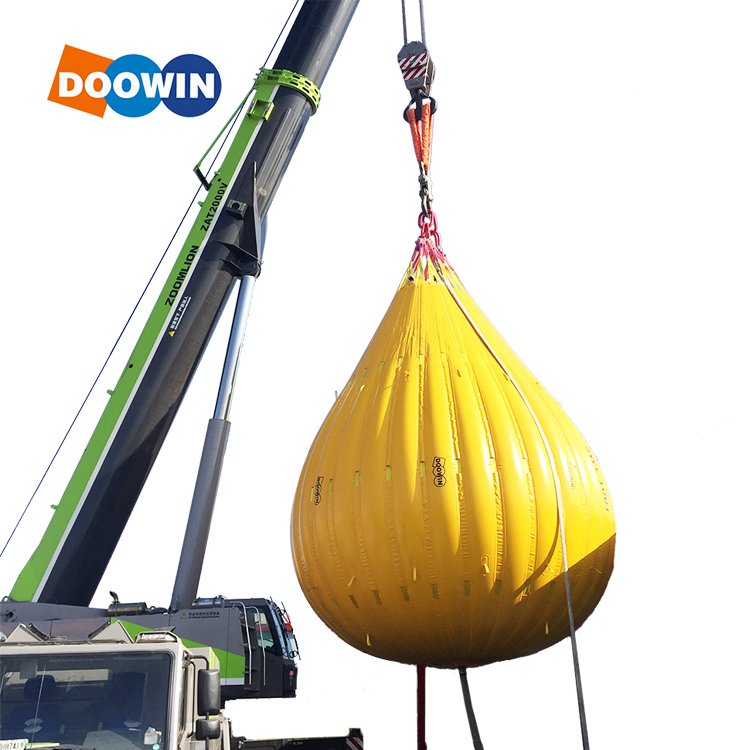
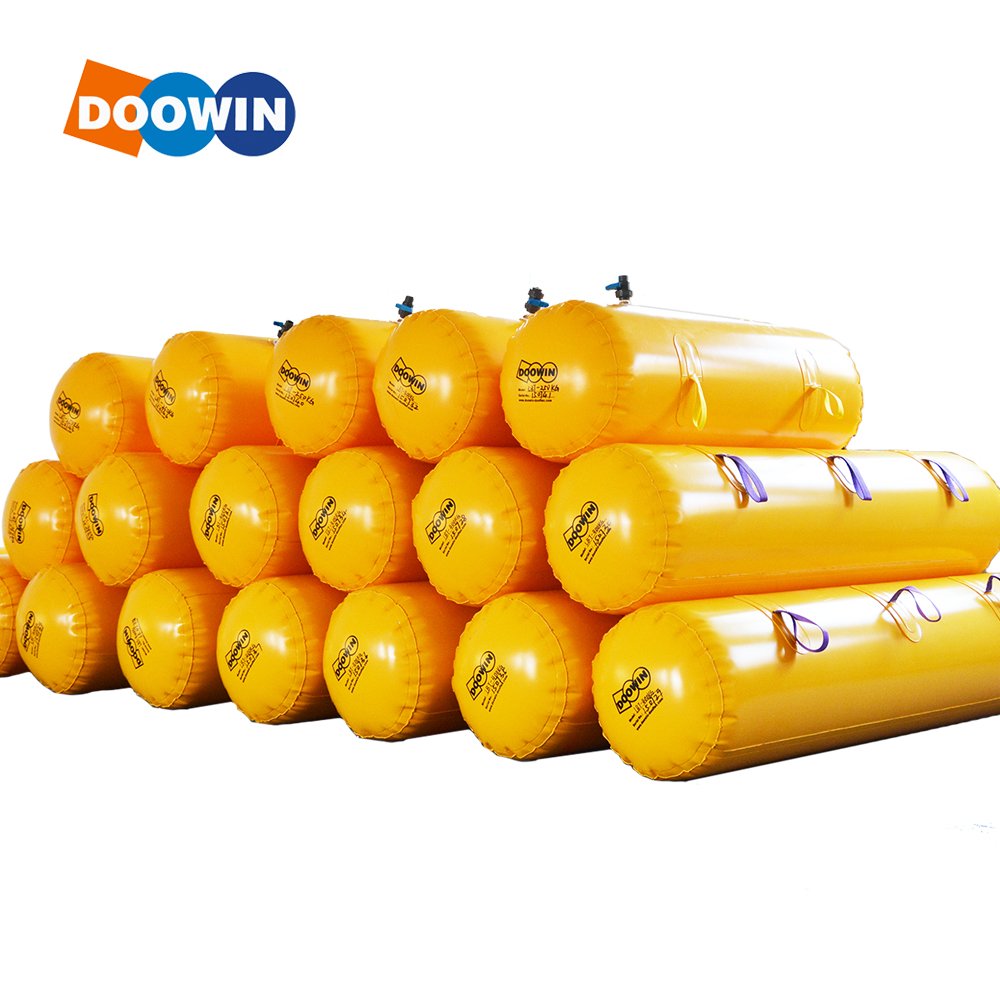
Water Weight Bags offer a revolutionary approach to proof load testing by utilizing the simple principle of buoyancy and the universal availability of water. This system consists of a heavy-duty, flexible container (the bag) that is filled with water on-site to create the necessary test load.
How It Works: A Step-by-Step Process
- Planning & Setup: The required test load is calculated (e.g., 25 tons for a 20-ton crane). The empty water bag is positioned in a safe, clear area beneath the crane, often on a protective ground sheet.
- Filling: Using a standard water hose or pump, the bag is filled with a precisely measured volume of water. The weight is easily calculated based on the known density of water (1 cubic meter = 1 metric ton).
- Lifting & Testing: The crane’s hook is attached to the bag’s integrated lifting lugs. The crane then lifts the water-filled bag, sustaining the load for a predetermined period as required by the standard. Engineers closely inspect the crane for any signs of deformation, strain, or malfunction.
- Inspection & Drainage: After a successful test, the bag is carefully lowered and the water is drained. The empty bag can be folded and stored compactly, requiring minimal space.
Key Advantages of Using Water Weight Bags
- Enhanced Safety: Water is non-hazardous. In the highly unlikely event of a failure during the test, a ruptured water bag releases a controlled flow of water, presenting a far lower risk than the catastrophic drop of solid weights.
- Cost-Effectiveness: Eliminates the need for expensive weight rental, specialized transport, and long-term storage costs. Water is an incredibly low-cost ballast material.
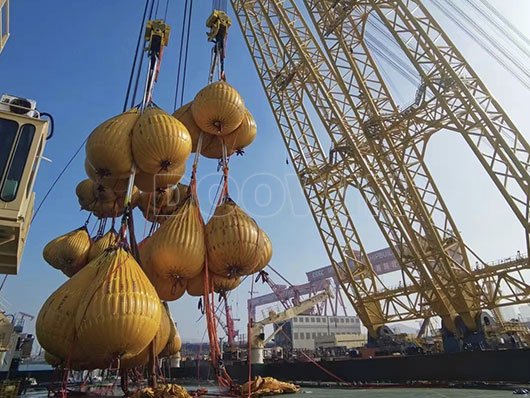
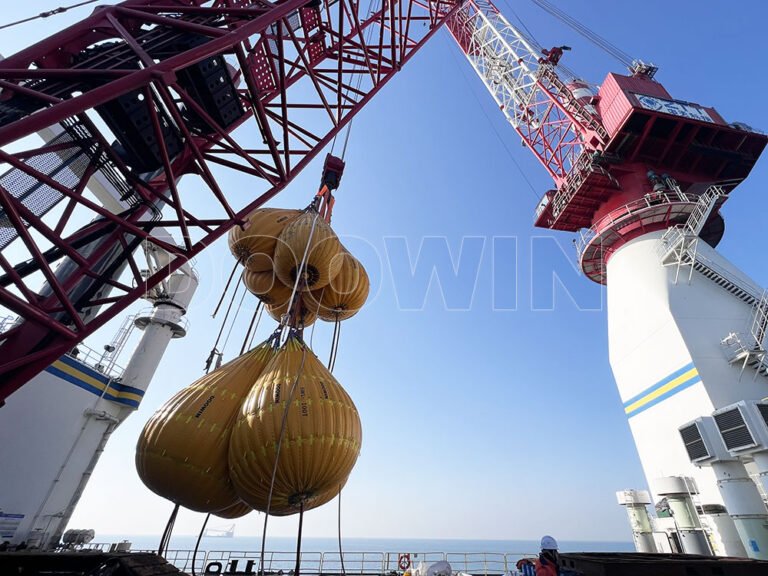
- Unmatched Efficiency & Logistics: The entire system is highly portable. A single bag can be transported in the trunk of a car and can be configured to create a wide range of test loads, from a few tons to several hundred tons.
- Precision and Flexibility: The load can be fine-tuned by adding or releasing small amounts of water, allowing for exact adherence to testing standards.
- Minimal Environmental Impact: The test uses plain water, which can often be drained to a suitable location with no negative environmental consequences.

Conclusion
For any workshop manager or safety officer, implementing a rigorous overhead crane testing program is non-negotiable. By choosing Water Weight Bags for proof load testing, facilities can achieve the highest levels of safety and compliance while simultaneously realizing significant operational and economic benefits. This modern, intelligent testing method streamlines a critical process, protects personnel, and ensures that your overhead cranes remain reliable and safe assets for your daily operations.